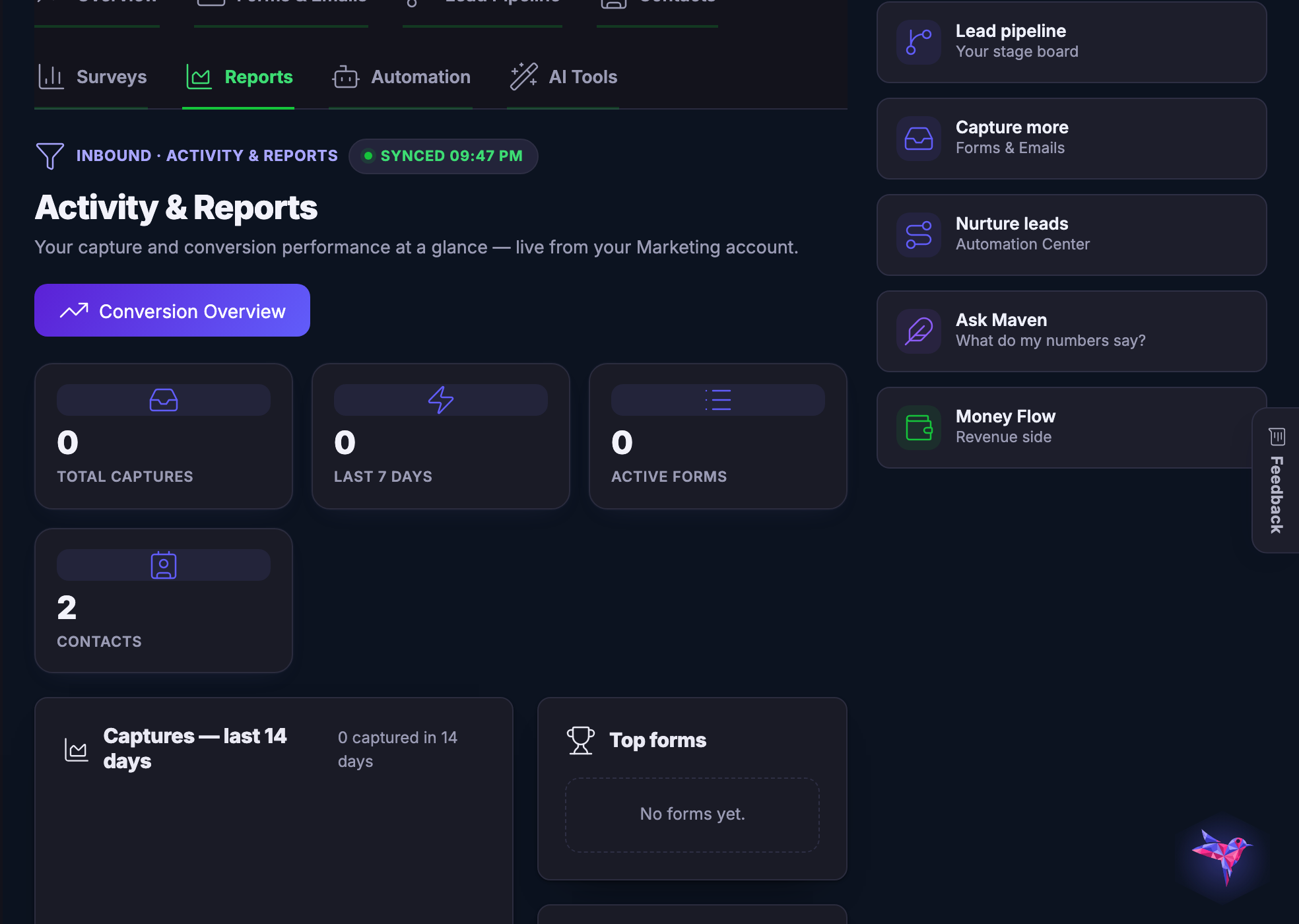















Maven adds this one: an enquiry that arrives while you are asleep is only worth having if something answers it before you wake up.
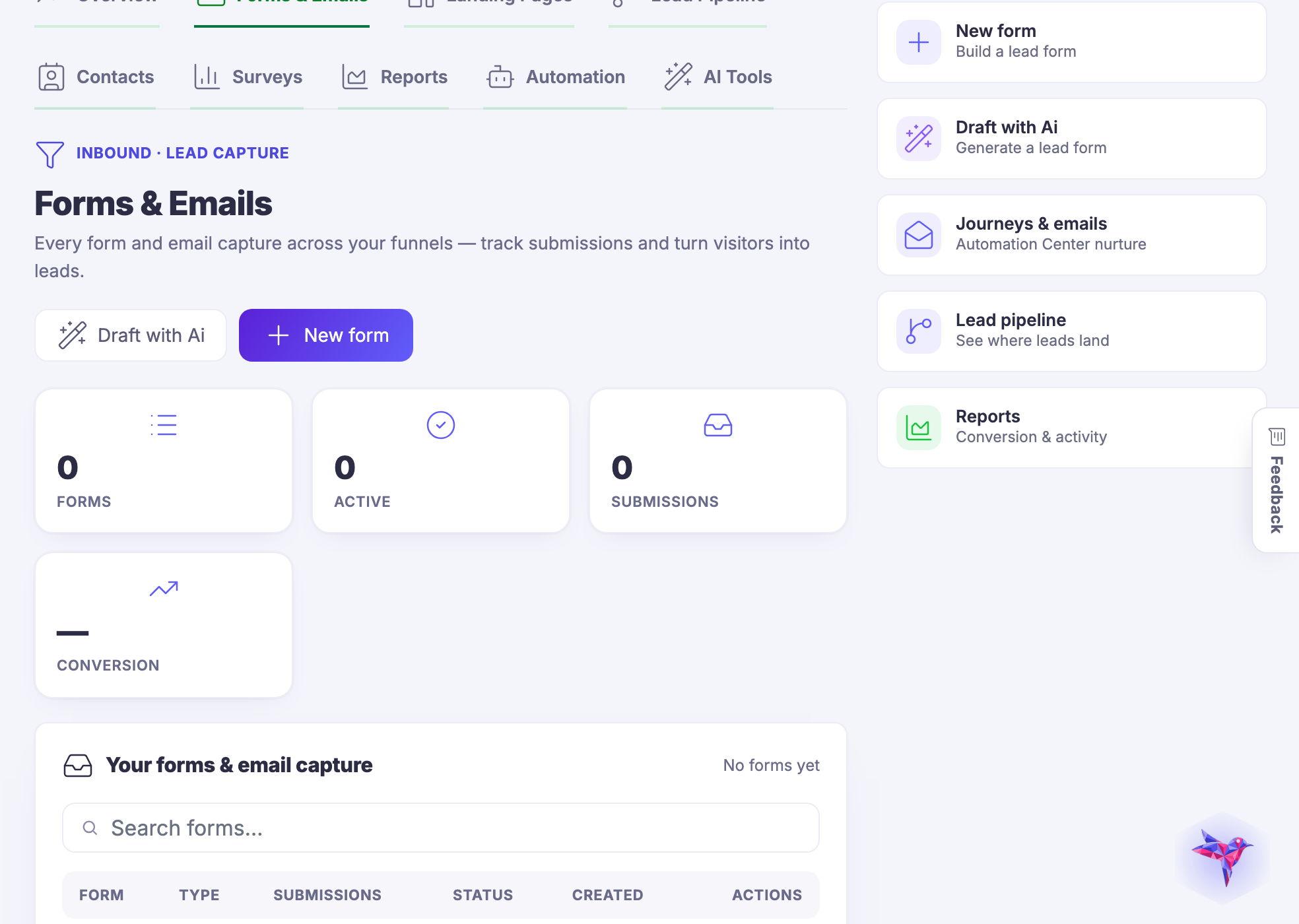
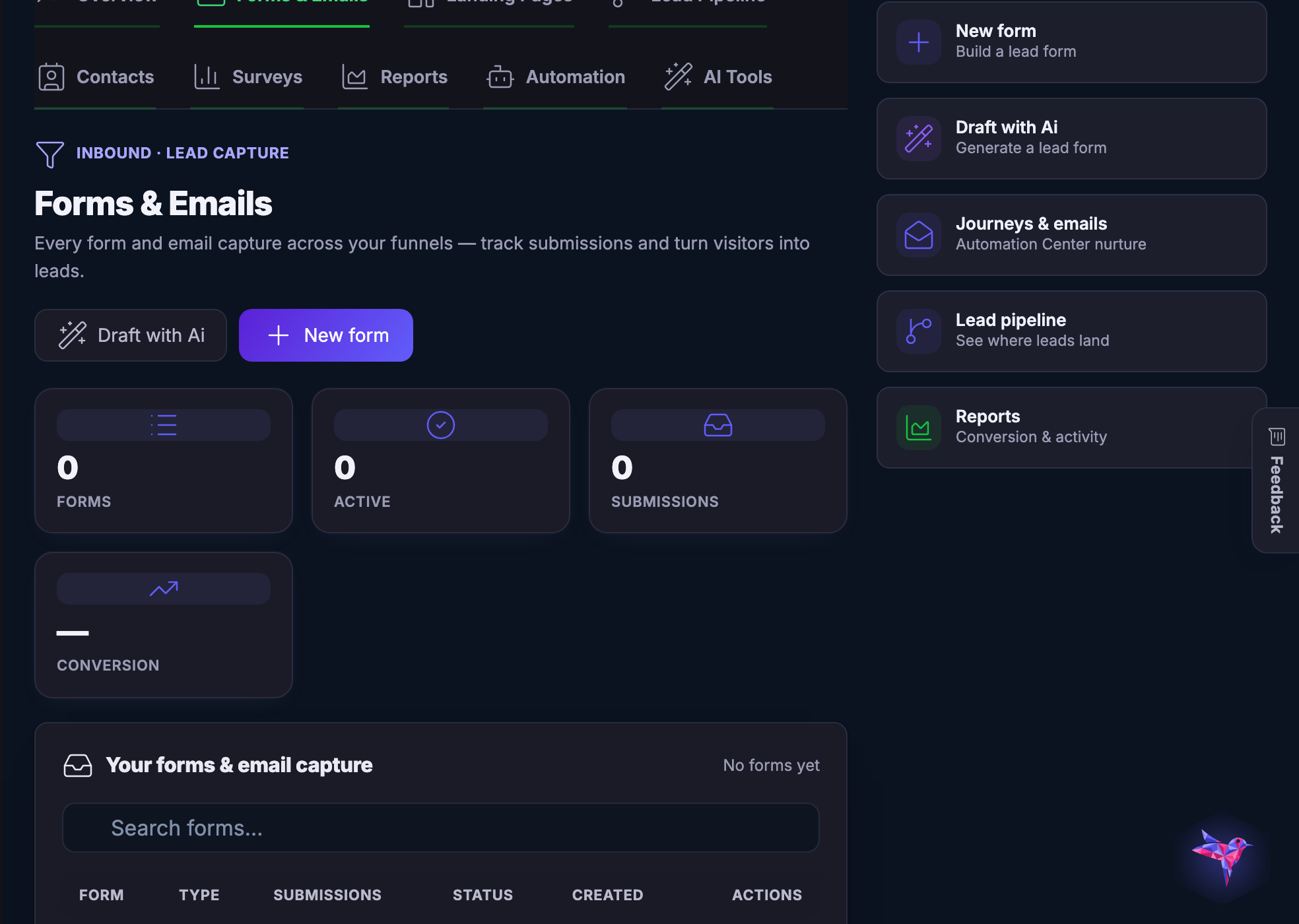
Forms & Emails
A form short enough to finish — and the reply that goes back before you have read it.
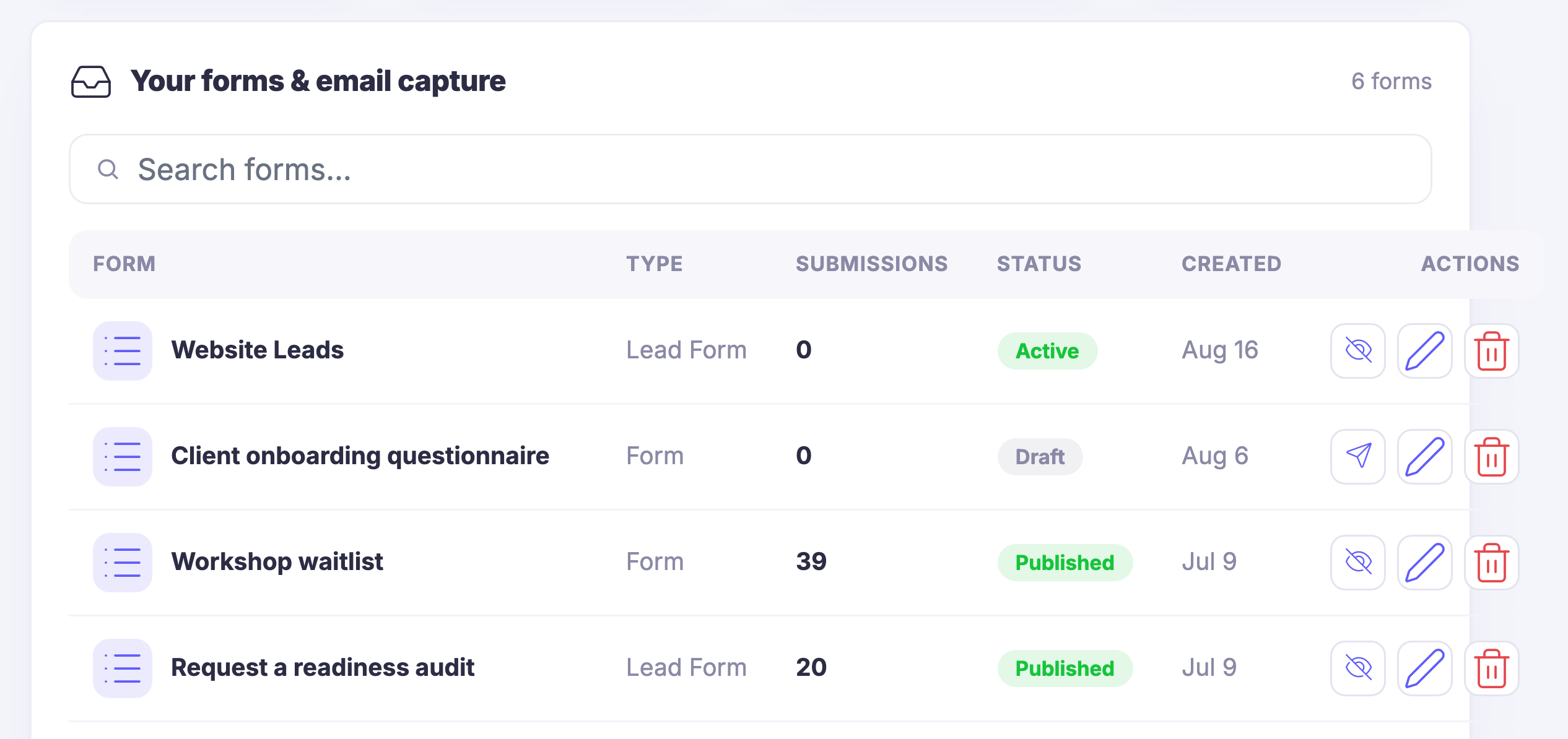
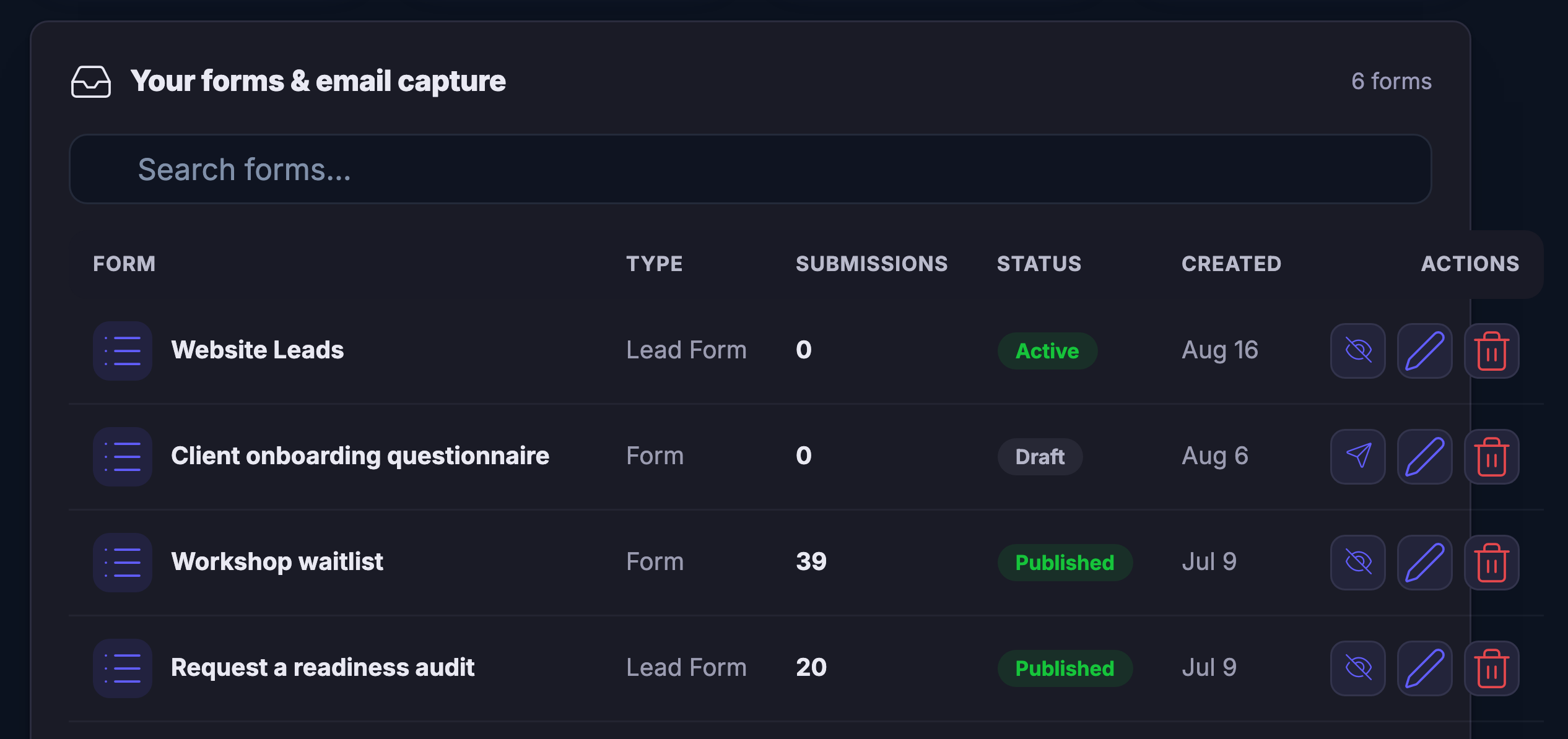
Read more about Forms & Emails
The short form that takes a name, and the note that goes back without you.
A form that asks two questions gets answered; one that asks nine does not. What comes in is a real record from the first second, and the reply that follows is already written and already scheduled.
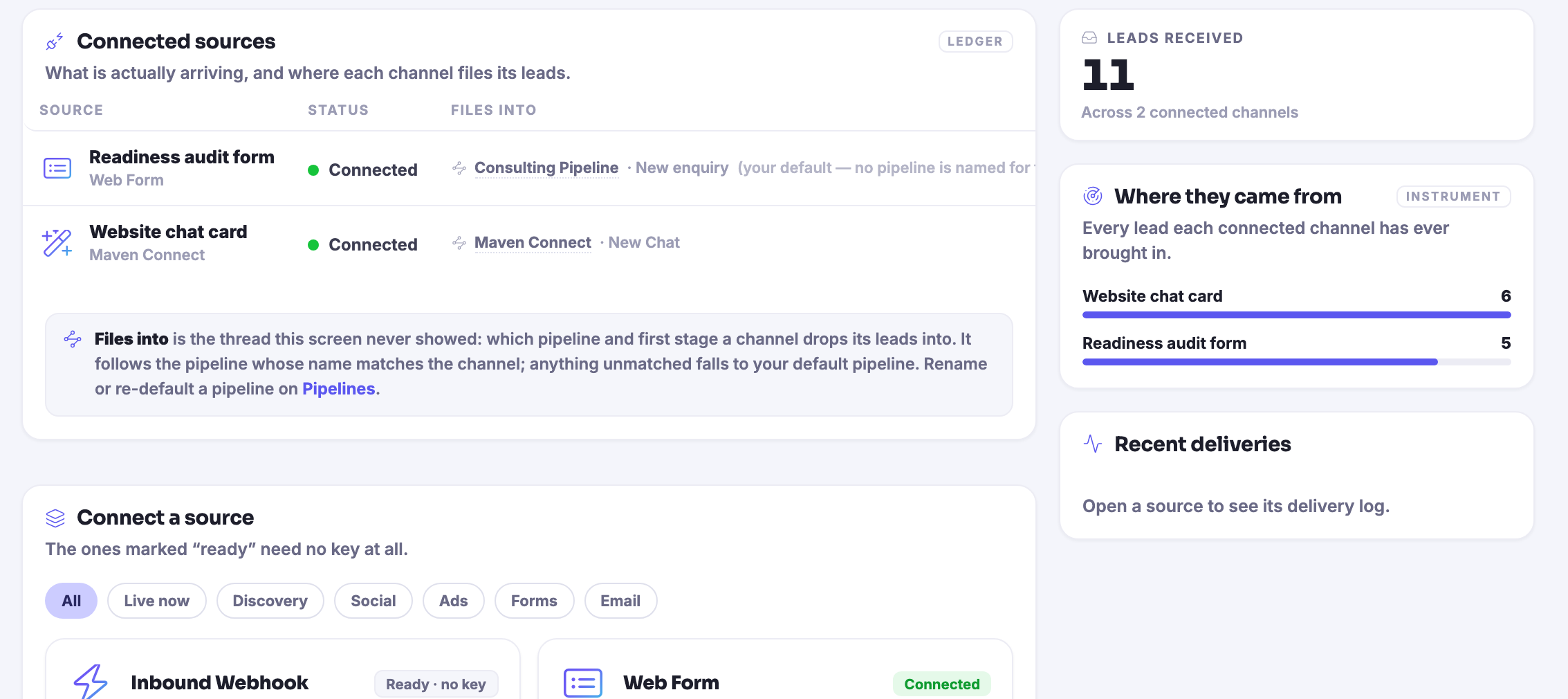
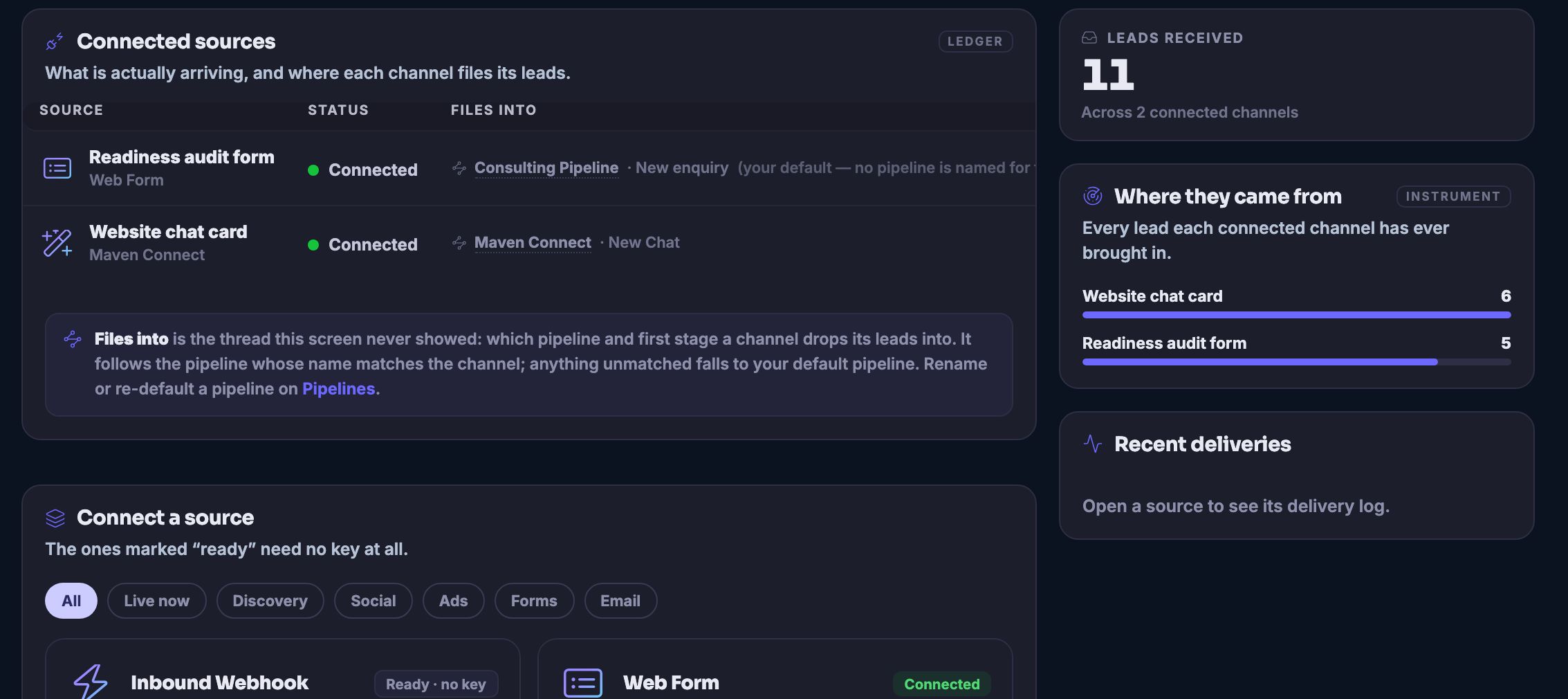
The same form travels. Paste it on a page you built, put it behind a code on a card, sit it at the end of a post or hand it out as a link — and every route in is named, so you can tell which door made the sale rather than guessing at it.
What comes back can choose its own path. Send the guide they actually asked for, wait the right amount of time, offer a time in the diary only after real interest, and hand the thread to a person the moment somebody writes back. You decide the shape of it once.
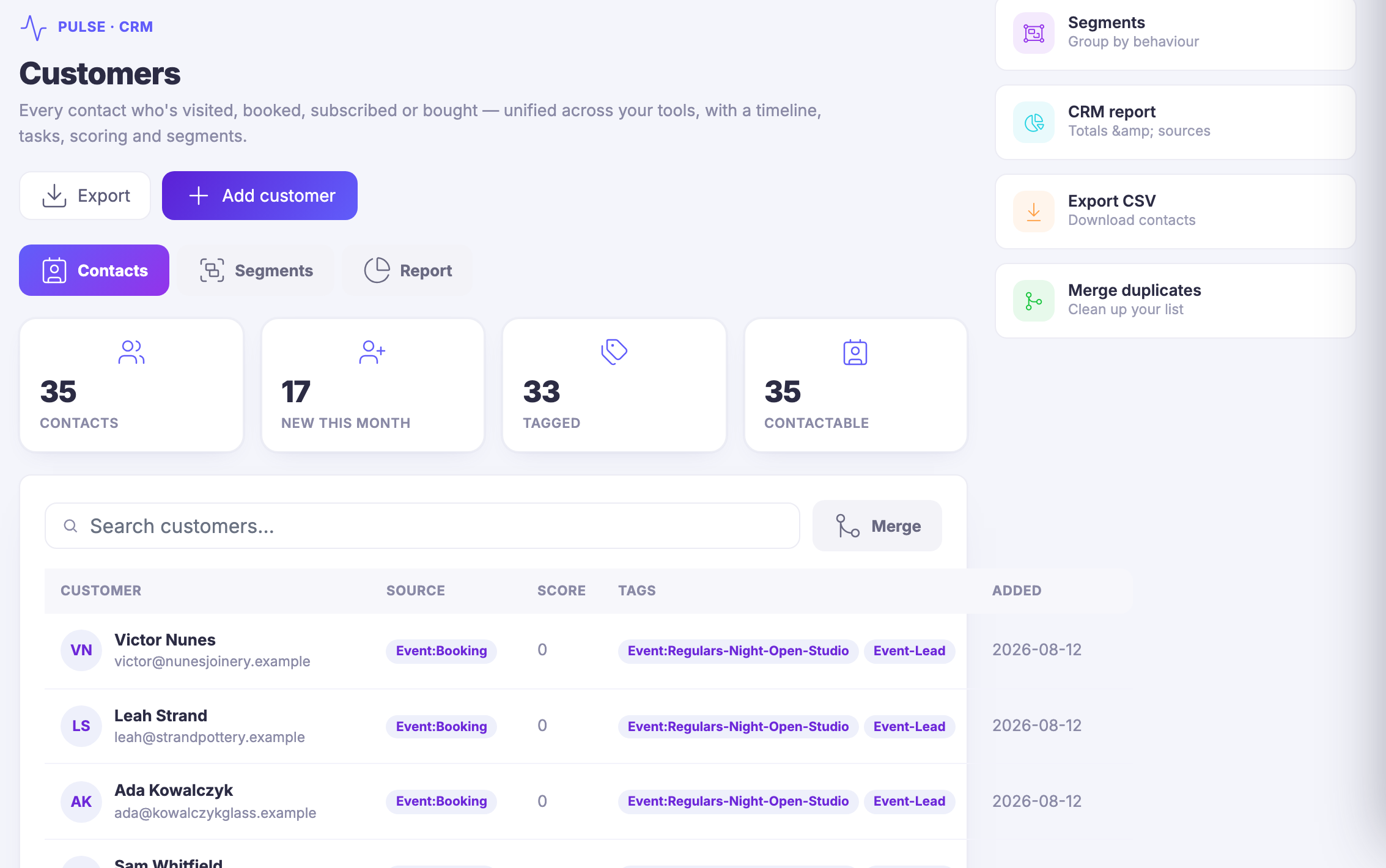
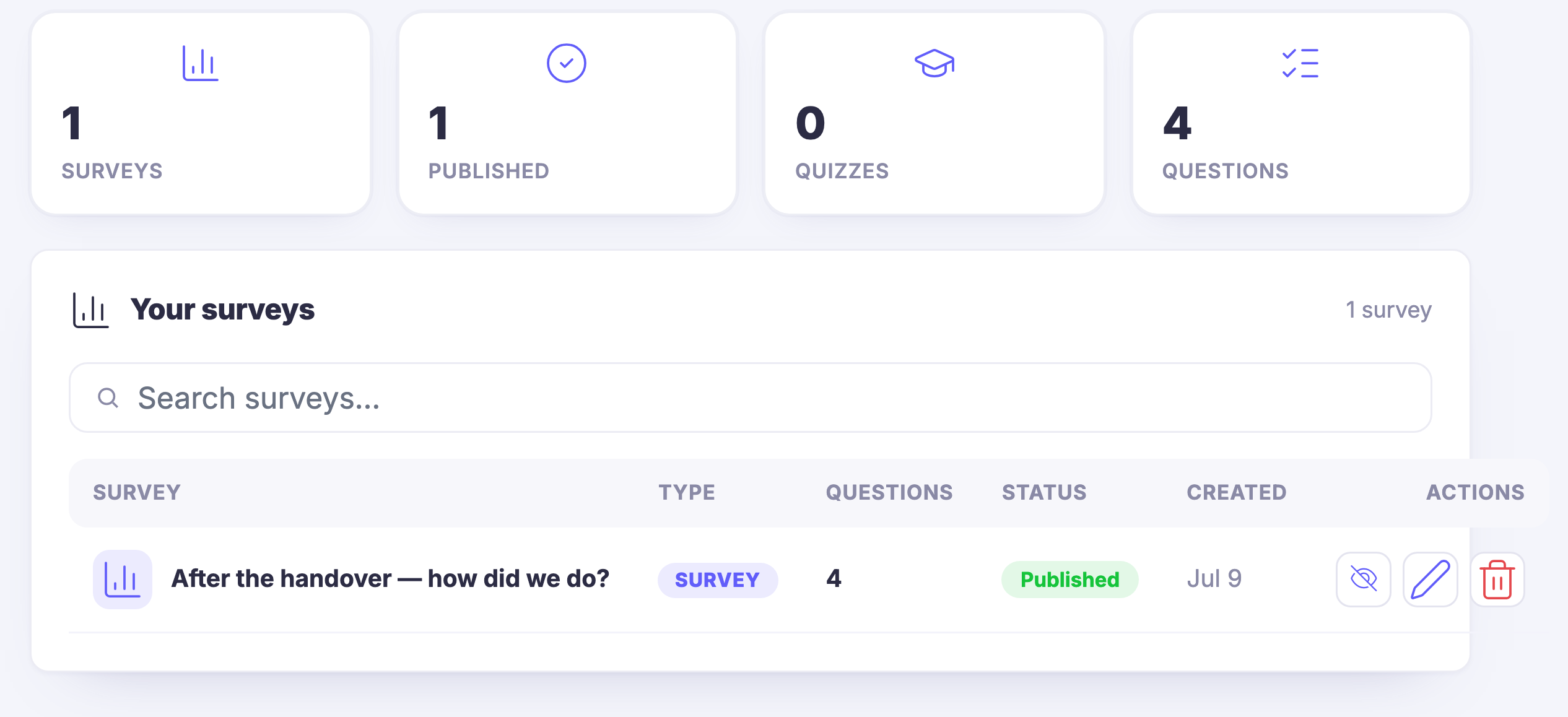
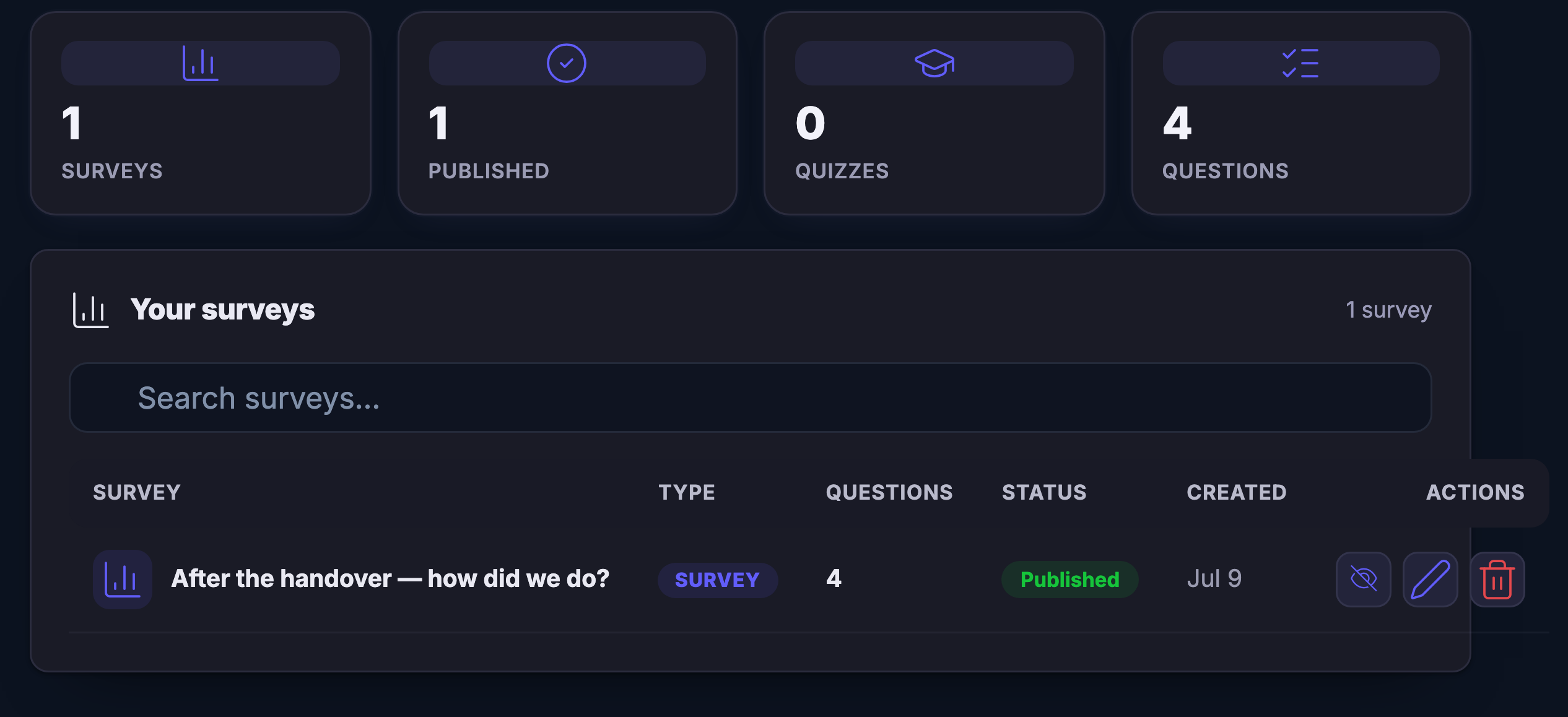
Surveys and quizzes sit on the same shelf. Ask a proper question while the attention is still warm, and the answers file themselves against the person — where the next note, the next call and the next offer will all find them.
What it actually does
- Short forms that live anywhere you can paste a line
- Every answer becomes a customer record, not a row
- The first reply goes out whether you are there or not
What that changes for you
- You stop losing people at question four
- Nobody waits a day for an acknowledgement
- The enquiry is already filed before you read it
You come away with a name and an email address.
Works seamlessly with